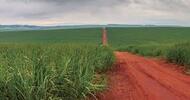
Swedish TV4 said H&M was using cotton from areas in Ethiopia vulnerable to land grabbing -- the buying or leasing of land in developing countries, often by foreign companies, without the consent of affected local communities.
En kartläggning som Kalla fakta gjort visar att H&M, via mellanhänder, köper bomull som kommer från områden där det förekommer tvångsförflyttningar, enligt människorättsorganisationer. Man menar att brott mot mänskliga rättigheter begåtts.
Ethiopia is selling off vast chunks of its land to foreign investors who are growing food products for export — and those who get in the government's way are being killed or silenced.
- Vice Magazine
-
10 November 2014
The report uncovers the truth behind a reported massacre of 30 to 50 Suri people in May 2012 near a 30,000-hectare Malaysian-owned Koka plantation.
- Oakland Institue
-
10 November 2014
Kenya's Lake Turkana is a vital source of life for humans and animals alike. But its lifeline is about to be cut by a push for the development of irrigated plantations.
- GlobalPost
-
05 November 2014
The gruesome massacre in the Gambella region of Western Ethiopia was a direct consequence of the ill-fated land grab policy of the Ethiopian government.
Land grabs in the developing world create a system so unequal that resource-rich countries become resource dependent.
At the heart of the current conflict is the government's development policy and the uncontrolled influx of migrants acquiring lands in the indigenous people’s territories.
Karuturi Global Ltd, la multinacional india que hizo su fama en el mercado global de la industria de flores cortadas y que recientemente adquirió más de 300 mil hectáreas en Etiopía para producir alimentos para los mercados extranjeros, continúa su dolorosa e impresionante caída.
- TJN et al
-
13 October 2014
La multinationale indienne qui s'était fait un nom dans le secteur des fleurs coupées au niveau mondial et a récemment acquis plus de 300 000 ha en Éthiopie pour produire des denrées alimentaires à destination des marchés étrangers, poursuit son déclin douloureux et généralisé.
- TJN et al
-
13 October 2014
Karuturi Global Ltd, the Indian multinational that made its name in the global cut flower industry and recently acquired more than 300,000 ha in Ethiopia to produce food, is continuing its painful and massive decline.
- TJN et al
-
09 October 2014
September 11: eight ethnic Majengir murdered by in cold blood by Ethiopian highlanders in Godere District, Gambela as tensions between settlers and indigenous peoples escalate.
- Anywaa Survival Organisation
-
18 September 2014