High Court in Lusaka rules that the conversion of village lands in Muchinda chiefdom for a large-scale agribusiness project was illegal and violated the community’s rights, but stops short of cancelling the company's title.
- Mail & Guardian
-
19 May 2020
Un nuevo informe de Rede Social de Justiça e Direitos Humanos y GRAIN, basado en una reciente investigación en terreno y documentos internos que forman parte de un caso en las cortes, reveló que la universidad utilizó múltiples compañías registradas en paraísos fiscales para acaparar más de 400 mil hectáreas en el Cerrado de Brasil.
Relatório denuncia sistema que burla a lei brasileira e permite apropriação de terras por investidores estrangeiros
- Brasil de Fato
-
12 May 2020
Greenpeace finds that 1,319 hectares of forest - equivalent to 1,800 football fields - were deforested within indigenous territories from January to April 2020.
Fossil Fuel Divest Harvard joins international civil society groups to shed light on HMC’s morally repugnant land investments
Controversial hedge fund tycoon Crispin Odey invested more than US$170m into one of Brazil’s most damaging agribusinesses despite it deforesting large areas and receiving numerous environmental fines
- Global Witness
-
07 May 2020
The type of land use, the concentration of land and natural resources, the destruction of ecosystems, and the homogenization of landscapes, are key elements in the debate on the current health crisis and human resilience.
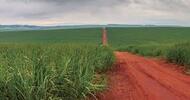
In the Brazilian Cerrado, on the nation’s agricultural frontier, rapid deforestation by expanding agribusiness, depletion of water resources, and an unsympathetic government are further complicating the resolution of the long-time struggle over land rights.
Esta ampliação da apropriação privada sobre os espaços públicos de proteção socioambiental pode intensificar ainda mais a vulnerabilidade social diante de epidemias e intensificar crises sanitárias.
Agribusiness proponents in the Brazilian states of Rondônia, Acre and Amazonas plan to create a joint agricultural area, Amacro, inspired by the multi-state Matopiba region that is now the country’s grain-growing heartland.
World Bank and IMF policies have provided key support for the financialisation of food and agriculture, resulting in landgrabs, price volatility, the concentration of power and the expansion of climate-damaging industrial agriculture
While the COVID-19 pandemic threatens the health of Indigenous peoples in Brazil’s Amazon, pressure over their traditional lands is increasing as grileiros –individuals who illegally seize land – sense an opportunity to exploit the crisis.