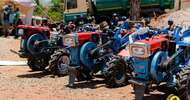
Most Chinese investment in African agriculture is concentrated in southern Africa: Mozambique, Tanzania, Malawi and, increasingly, Angola.
The Angolan government plans to invest $1 billion in 2009 in the farming sector and welcome in U.S. Chiquita Brands International Inc to its banana industry. Other foreign companies and countries, including China have also said they plan to invest millions of dollars in the war-shattered nation’s coffee, sugar, cassava and palm oil industries.
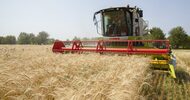
Lonrho, the pan-African conglomerate listed in London, has secured leasehold rights to 25,000 hectares of rice paddies in Angola and is negotiating two bigger land deals in Mali and Malawi, in another sign of investor appetite for African land.
- Financial Times
-
16 January 2009
Lonrho Agriculture will develop 25,000 hectares of agricultural projects in the Provinces of Uige, Zaire and Bengo in Angola.
- Lonrho PLC
-
13 January 2009
La chute du cours des céréales sur les marchés mondiaux n'a pas stoppé la course aux terres agricoles par les pays qui en manquent.
- Le Monde
-
20 November 2008
The initial welcome given to rich countries’ investment in African farmland by agricultural and development officials has faded as the first ventures prove to be heavily weighted in favour of the investors. The FAO warned of such a trend when it said this year that the race to secure farmland overseas risked creating a “neo-colonial” system.
- Financial Times
-
20 November 2008
Soaring food prices, supply fears among import-dependent countries and rising demand for biofuels have driven up investment in agricultural land, notably in Africa.
Angola, one of the world's fastest-growing economies, has launched an ambitious plan to exploit both its fertile soils and high global food prices to attract $6bn (€4.3bn, £3.4bn) in agriculture investments over the next five years.
- Financial Times
-
04 October 2008
For the past 30 years, Jose Vilomba, 47, has walked barefoot on one of Africa’s most fertile valleys using his hands and a shovel to plant vegetables to feed his family. “I’ve been doing this for years,” said Vilomba. “It’s what I do for a living.” But if post-civil war elections in Angola end well, the state-owned land Vilomba is working on could soon be sold to major food producers and the expiration date on his small harvest could equally apply to his own way of life.