Arid Saudi Arabia looks to Africa’s breadbaskets
- African Business
- 01 April 2026
Riyadh is investing in African agricultural production and export infrastructure in a bid to boost its food security amid global political shocks





Riyadh is investing in African agricultural production and export infrastructure in a bid to boost its food security amid global political shocks
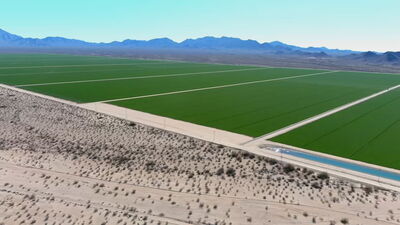
Saudi-Arabian farming company Fondomonte wants a judge to pause a lawsuit against it, arguing new groundwater protections could resolve the issues in the case. Arizona Attorney General Kris Mayes disagrees.
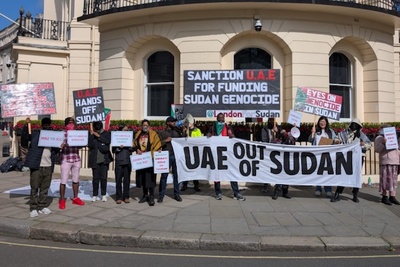
In Sudan and Ethiopia, Gulf capital has targeted large-scale agricultural estates, livestock production, and agro-processing, often through joint ventures with local elites or state authorities.
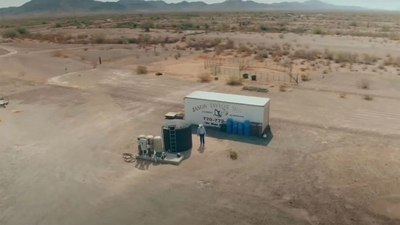
In the US, Arizona Gov. Katie Hobbs has taken a major step to stabilise water use in the state’s rural desert, where a Saudi-owned company established a massive farming operation more than a decade ago.
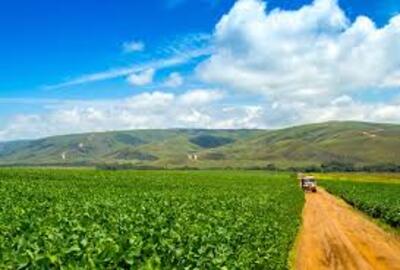
Since foreign land ownership is legally restricted in the country, the idea is that foreign investors can participate as minority shareholders in agribusiness investment funds (Fiagros) and partner with Brazilian landowners.
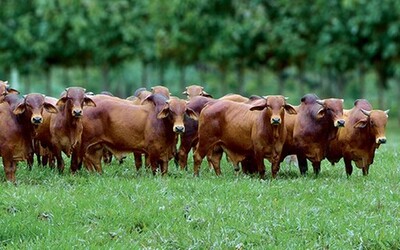
O Ministério da Agricultura do Brasil pretende apresentar em fevereiro a fundos soberanos árabes uma proposta de investimento em terras no Brasil para apoiar a conversão de pastagens para áreas agrícolas. Como a propriedade de terras por estrangeiros é limitada no Brasil, a ideia é que os investidores estrangeiros possam entrar como cotistas minoritários de fundos de investimento no agronegócio (Fiagros) e se associar a proprietários brasileiros.
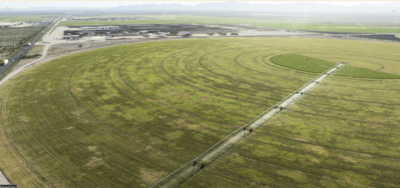
The Arizona state government will start limiting groundwater pumping in a desert valley where a Saudi-owned dairy company grows hay, and where aquifer levels have been dropping.
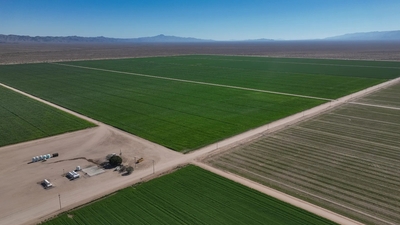
Arizona officials are considering a plan to start regulating groundwater pumping in the rural area 100 miles west of Phoenix, where Fondomonte, part of the Saudi dairy giant Almarai, operates a massive alfalfa farm
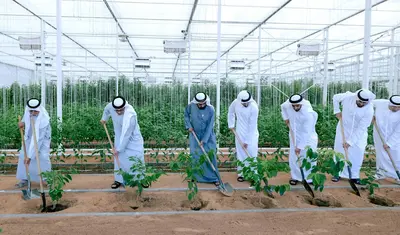
This famine in Sudan is not merely a product of the war that began in April 2023 but is the culmination of a decades-long structural shift: the systematic reorientation of Sudan’s fertile land and water toward export-oriented agriculture serving Gulf food-security systems.
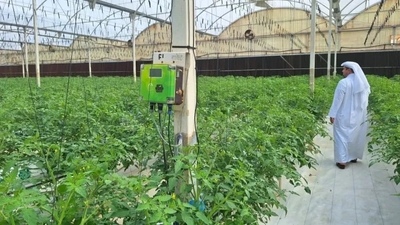
Afin de réduire la vulnérabilité des approvisionnements, les pays du Golfe cherchent à contrôler l’ensemble des étapes des chaînes de valeur. Les investisseurs publics et parapublics, relayés par le secteur privé, se tournent ainsi vers la production agricole offshore au sein de pays riches en eau et en terre.
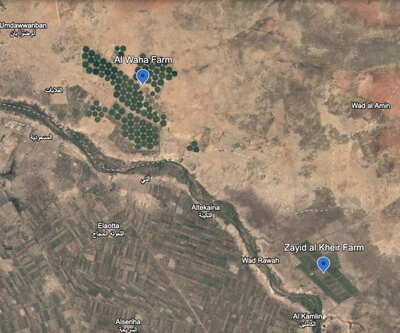
Large-scale land leases to Gulf and domestic agribusiness investors have undermined rural livelihoods by cutting off grazing routes and limiting access to land, primarily used for cultivating sorghum and other staple food crops, Nisrin Elamin explains.
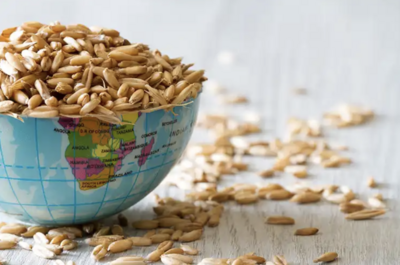
As governments from the Gulf to Beijing quietly buy up farmland around the world, a silent shift in global power is underway – one that few have noticed, but all will feel