Laos floats joint Thai-Kuwait rice investment proposal
- Bangkok Post
- 16 August 2009
Kuwait has recently shown an interest in doing rice business in Laos, but Vientiane wants Thailand to be its partner,




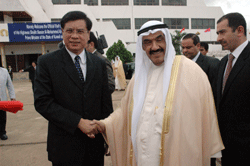
Kuwait has recently shown an interest in doing rice business in Laos, but Vientiane wants Thailand to be its partner,
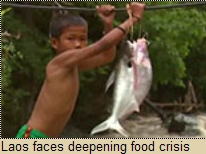
The Lao government says it's determined to improve the lives of its people by attracting foreign money. But in a country where simply putting food on the table is a daily challenge for many, their foreign investment may hinder more than help.
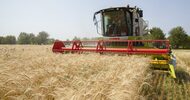
Nigeria allows foreigners -- like Thailand's Riceland International Co -- to lease land for growing rice and to run rice-related businesses including milling and processing.

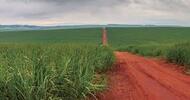
The Government of Laos has granted a major Thai investor a 10,000 ha concession in two central provinces of Laos to grow sugarcane.
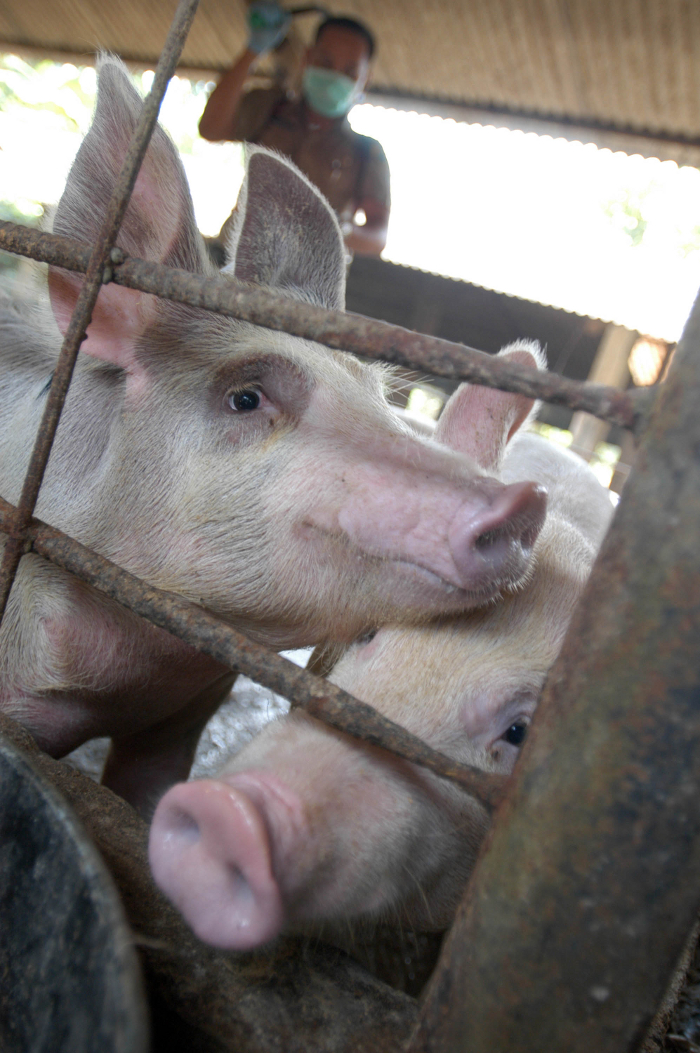
Sam Pov, a rice farmer in Cambodia’s western Battambang Province, is very worried that his land will be taken over by a foreign investor.
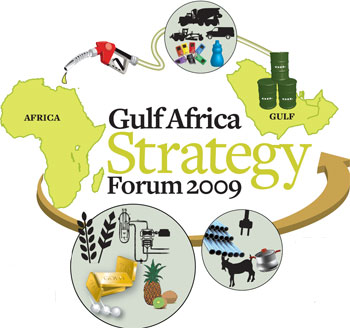
Over the past few years Laos has seen a surge of foreign investment in farms and plantations from neighboring countries keen to acquire rubber, sugar, and other agricultural commodities. Under this project, noncommercial details of land concession awards will be posted on a public website to improve transparency, while the commercial terms will be kept in a confidential database for monitoring compliance.
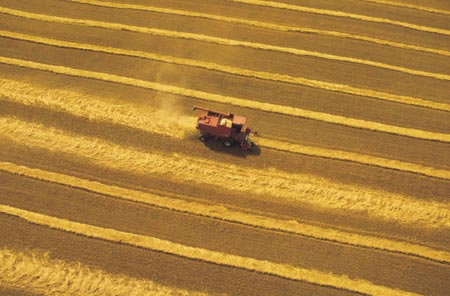
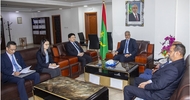
A number of Kuwaiti businesses have expressed an interest in investing in agriculture in Laos, according to a Lao company owner.
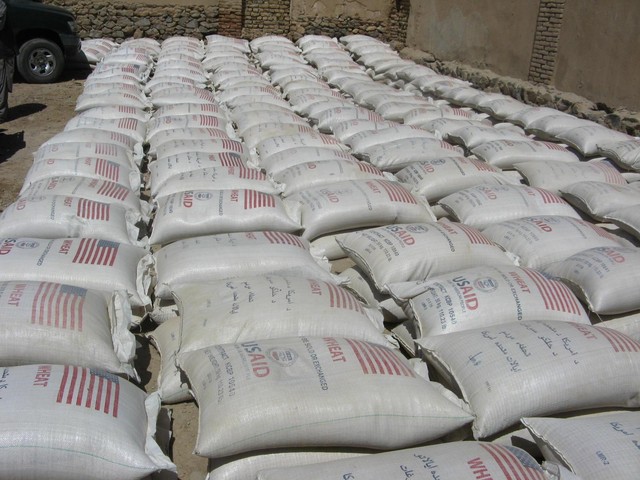
Saudi Arabia and the UAE are worldwide leaders in buying farmland in third-party countries, followed by China and Japan, says the World Bank.

Some Laotian farmers are losing their ancestral lands or being forced to become wage workers on what were once their fields
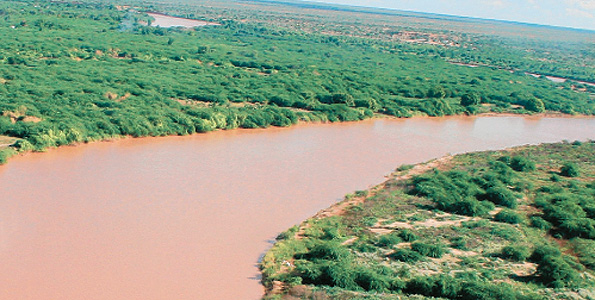
Land acquisitions abroad are the only viable response, Mohammed Raouf, program manager of environment research at the Gulf Research Center, and others say.
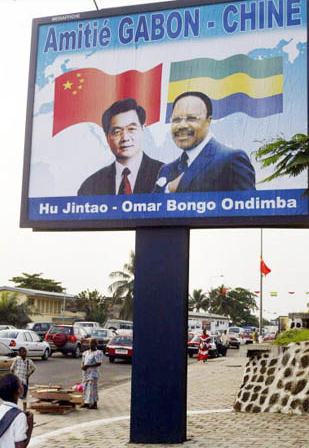
Rich governments and corporations are triggering alarm for the poor as they buy up the rights to millions of hectares of agricultural land in developing countries in an effort to secure their own long-term food supplies.
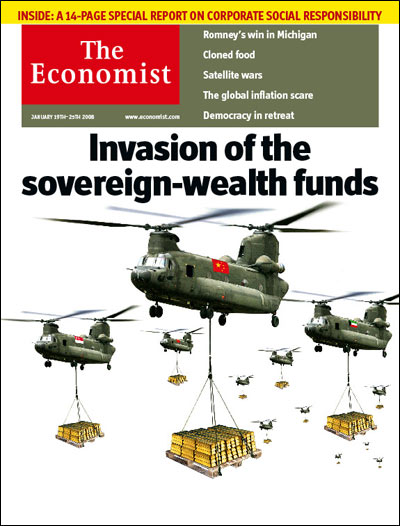
Once committed largely to perceived safe-haven investments in the United States, Gulf nations are now looking to send their petrodollar surpluses towards a more exotic global destination: Southeast Asian farmland.