Liberia's next big war
- FrontPageAfrica
- 09 May 2013
Liberia's silent land war has now become a war of words and placards with tension brewing daily either between individuals and families or companies and tribes or clans.





Liberia's silent land war has now become a war of words and placards with tension brewing daily either between individuals and families or companies and tribes or clans.

Green Scenery calculates that 60% of the total area in Pujehun district is already being, or could soon be converted for large-scale industrial agriculture, primarily for oil palm plantations.

Le groupe Bolloré a tenu à réagir à l’article intitulé « Une filiale de Bolloré épinglée pour sa gestion des terres en Afrique », dans lequel une de ses filiales est mise en cause.

Le Oakland Institute, un think-tank américain respecté pour la qualité de ses travaux, épingle les pratiques de la Socfin, une filiale du groupe Bolloré en Sierra Leone.

Aggrieved landowners and land-users in Malen Chiefdom, Pujehun, call on Human Rights Commission to intervene against human rights violations by Paramount Chief and chiefdom authorities in Socfin operation area.

Community members defy intimidation and arrests and appeal for international support in their struggle to stop SOCFIN from operating on lands the company acquired without their consent.

The island's biodiversity threatened by plans to expand a palm oil plantation from 610 ha to 5,000 ha, through a 2009 deal signed with the Belgian company Socfinco.
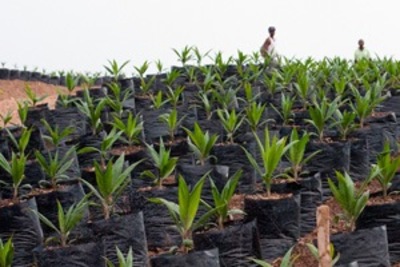
Researchers find that bulk of deals to lease out land are struck in 32 of the countries ranked “alarming” or “serious” on the Global Hunger Index score.

Après le groupe Louis Dreyfus, le deuxième plus gros investisseur français dans les terres agricoles se nomme Vincent Bolloré.

Le groupe Bolloré ne cesse d’étendre son influence en Afrique et se tourne désormais vers les terres arables de la Sierra Leone.

Overview of the palm oil sector in West Africa - major players (Siva, SIAT, Sime Darby, SIFCA, Bolloré, Olam...), hectarage under foreign corporate control, etc.

D’un côté, l’acharnement avec lequel certains dirigeants africains s’organisent en toute opacité pour vendre ou mettre en concession la terre africaine contre la volonté des populations et, d’un autre côté, le rapport de l’institut Oakland qui tente d’apporter, avec beaucoup de brio, les conditions qui prévalent lors d’un investissement d’une entreprise multinationale en Afrique sont édifiants.