GRAIN a appris récemment que plusieurs cas d'accaparement des terres ont donné lieu à des poursuites en justice ou des actions menées par les autorités des pays concernés. Nous avons donc décidé de présenter une brève mise à jour des derniers développements.
GRAIN recently learned that several cases of land grabbing have been prosecuted in the courts, or been acted upon by national authorities, and so we have compiled a short update on these developments.
A new report accuses Harvard University’s endowment of contributing to “environmental destruction,” and the displacement and harassment of communities in its pursuit to acquire $1 billion worth of farmland worldwide over the past decade.
- Chief Investment Officer
-
14 September 2018
The US university, through its endowment fund, maintains a business chain with Brazilian companies and its subsidiaries to circumvent Brazilian law, according to a report.
- Brasil de Fato
-
13 September 2018
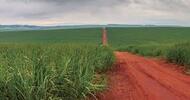
The university's endowment fund, meant to support educational and research goals, was misused to acquire 850,000 hectares of farmland across 5 continents during the past 10 years.
- Down to Earth
-
08 September 2018
El año 2017 terminó como uno de los más fatídicos para los defensores de la tierra. También fue un año muy malo para muchos acaparadores de tierras.
L’année 2017 s’est avérée l’une des années les plus mortelles pour les défenseurs des terres. L’année a été assez mauvaise aussi pour plusieurs accapareurs de terres.
2017 went down as one of the deadliest years ever for land defenders. It was also a pretty bad year for several land grabbers.
La Empresa agroindustrial Feronia, financiada por bancos de desarrollo occidentales, promueve el acaparamiento de tierras en República Democrática del Congo y ha sido denunciada por explotación laboral y otros abusos.
- El Diario
-
19 October 2017
“In these supposedly win-win contracts, I would like to know what our communities are gaining. On the contrary, we are losing and even dying a slow death.”
How do major oil palm companies manage to get their palm oil sold as a “green”, “sustainable” and “climate-friendly” product when it is none of that?
Is land-grabbing over, in Mozambique and across Africa and the rest of the developing world? Now that crop and food prices have returned to their usual punishingly low levels, is the pressure off from foreign buyers looking to acquire large tracts of agricultural lands?
- Truthout
-
15 November 2016