Global land grabbing: Eroding food sovereignty
- PAN AP
- 14 January 2011
Land deals, whether as direct purchases or long-term leases, are being brokered in poor countries by advanced capitalist countries and their TNCs





Land deals, whether as direct purchases or long-term leases, are being brokered in poor countries by advanced capitalist countries and their TNCs

Around 15% of Cambodian land has been signed over to private companies, a third of them foreign, using leases under which they promise to develop the plots and provide jobs.

Several national companies and even the Abu Dhabi Investment Authority, the capital's sovereign fund, are planning investments in agriculture in countries as diverse as Vietnam, Cambodia, Pakistan, Australia, Romania and the United States.
.jpg?1294730238)
800 people in Kampong Thom province staged a protest against a Korean company that is trying to clear their trees and farmland, to produce rubber and cassava, without offering any compensation.

Bangladesh wants to invest in growing rice in Cambodia for future exports back to Bangladesh and has requested long-term land leases for up to 99 years, such as Cambodia has already granted to other countries.

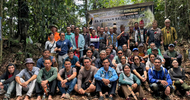
Proceedings of the November 2010 workshop bringing together a wide range of NGO representatives from around Cambodia and overseas.

Wie sich DWS-Fonds der Deutschen Bank am "Land Crapping" beteiligen

Dans une résolution adoptée en session plénière à Strasbourg, les députés s'en prennent vivement à la "politique brutale d'accaparement des terres au détriment essentiellement des pauvres, l'étouffement de toute forme de critique et de protestation."

Indian rice exporter Amira Group plans to acquire 25,000 hectares of agricultural land in Cambodia, and is discussing further farnland acquisitions with the governments of Angola and Sierra Leone.

The key highlights of the forum will focus on the rising prospects in the global agricultural business, land utilisation and acquisition policies.

Some projects aimed at increasing food production in Asia have been dropped or delayed amid the financial crisis, notes a new report by IRRI and the Asia Society.
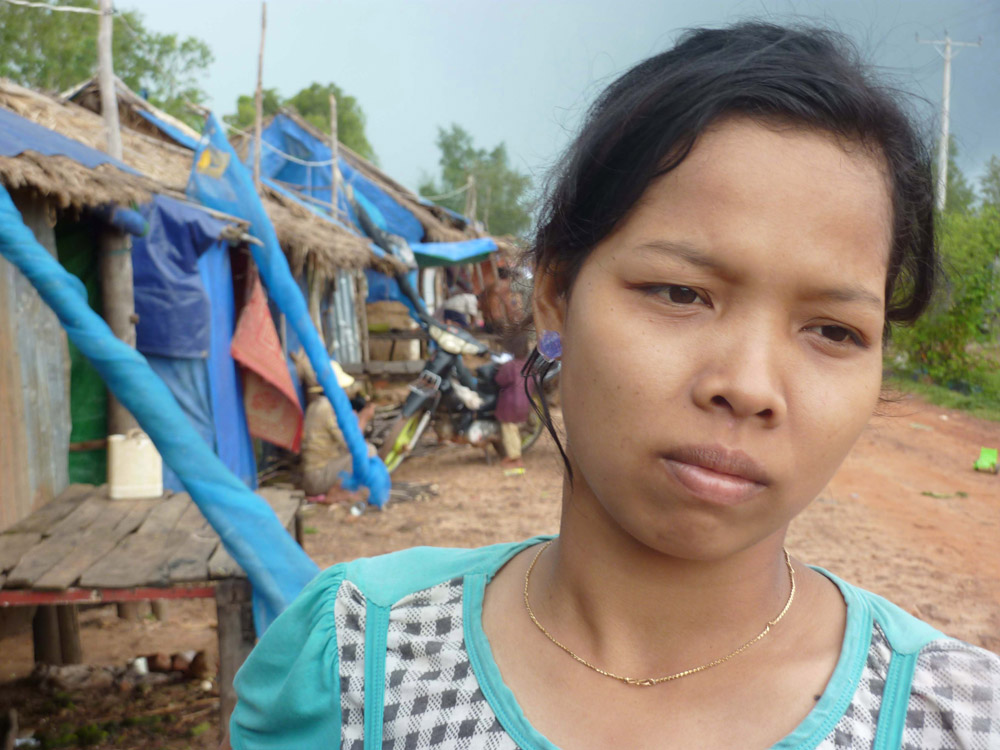
“The EU is effectively subsidizing land grabbing in Cambodia by giving preferential treatment to companies that have produced goods on stolen land,” says David Pred, BABC executive director