Nyéléni Newsletter on land grabbing
- Nyeleni.org
- 13 April 2012
Nyéléni Newsletter Nº 9, prepared specially for the International Day of Peasant Struggle on 17 April, is on land grabbing.





Nyéléni Newsletter Nº 9, prepared specially for the International Day of Peasant Struggle on 17 April, is on land grabbing.

Two key areas requiring urgent attention are global agricultural norms and financialization.

Dix sept familles des fermiers sud-africains de la société Congo-Agriculture ont déjà réalisé une plantation de 1200 hectares de maïs à Malolo, dans les départements du Niari et de la Bouenza.

Between April 1-4, 2012, farmers, small land owners, women, youth, and elders assembled in Freetown to have their voices heard and strategize a way forward.
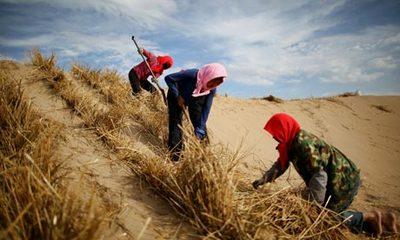
The world's agricultural system is changing from one in which land is owned by farmers or communities and cultivated by farmers to one where corporations have the sole say in what gets cultivated where and who will profit.

Farmers and activists are increasing pressure on the government to be more transparent about large-scale land deals with foreign firms and to make sure local communities benefit

The Philippines and Qatar signed 4 bilateral agreements and one private sector agreement seen to boost cooperation in investments, tourism, fisheries and the legal field.

According to the November 2011 Peace Brigades International Colombia Newsletter, today, 40% of Colombia's 280 million acres of land "has been licensed to, or is being solicited by, multinational corporations."

The craze in recent years for huge investments in bio energy and agribusiness in Tanzania has seen small poor farmers being dispossessed of their lands through tricky contracts and the false hope of making riches overnight.

India, which doesn’t allow corporate farming domestically, has joined the growing list of countries going overseas to look for food security.

Myanmar diplomatically bypassed a Bangladesh proposal last year for taking agricultural land on lease for cultivation in that country.

Combined firm, RZ Agro Holding Ltd., will control 97,500 ha in the Rostov Region of Russia.