IBON Land Grabbing Policy Brief 2010
- IBON
- 26 December 2010
Investors are taking advantage of cheap land resources from poorer countries whose populations are even more food insecure.





Investors are taking advantage of cheap land resources from poorer countries whose populations are even more food insecure.

Not a single farmer has been dispossessed of his holding on account of foreign investment, blasts Ethiopia's Ministry of Foreign Affairs

CNN's Robyn Curnow sat down with the head of Tanzania's Development Authority, Aloyce Msanja, to find out about the sale of "unused" land to Korea.

The Diaspora is just airing the voice of the voiceless Ethiopians for those who are on a land bonanza to stop hurting our people. There is a great danger coming. When? No one knows but it is coming.

The New Zealand Minister for Building and Construction and the Minister of Finance rejected Natural Dairy Holdings’ application to acquire Crafar Farms, the largest private family farm in New Zealand
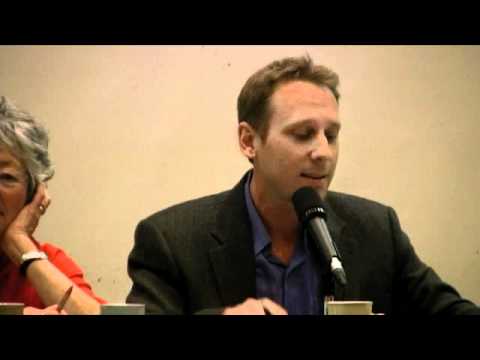
Public forum in Canada with farm leaders from the Global South

The future of Sudan's small farmers looks uncertain

Across Africa and the developing world, a new global land rush is gobbling up large expanses of arable land.

Bangladeshi authorities have started exploring new options to ensure the country's food security such as taking lease of vast areas of fallow agricultural land in the neighbouring Myanmar and in some African states.

South African farmers moving to neighbouring African states are not putting SA’s food security under threat, says Willie du Plessis, a director of agricultural banking at Standard Bank.

Political uncertainty and fear of conflict will deter several Gulf firms from investing in southern Sudan as it prepares for a referendum next month that will likely lead to the creation of the world's newest nation.

Not since Belgium's King Leopold turned the Congo into his personal market-garden has so much land been allocated to offshore nations.