The new land rush in Africa: An interview with Michael Taylor of the ILC
- SID
- 07 June 2010
ILC is actually trying to promote some sort of dialogue between the different proposals for principles for responsible farmland investment




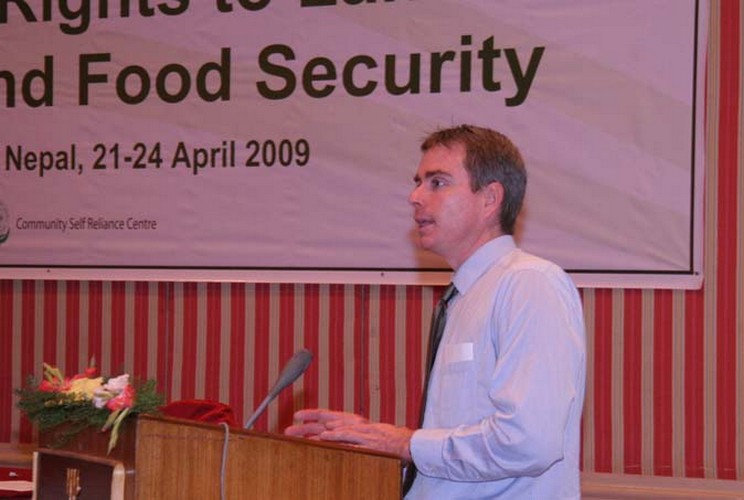
ILC is actually trying to promote some sort of dialogue between the different proposals for principles for responsible farmland investment
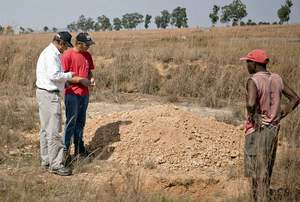
“We plan to have invested $1bn in farms within five years,” says Petrus du Toit of Ridge Solutions, which is acquiring farmland in Angola with backing from foreign investors.

Joint venture with the India/UAE Allana Group acquires 20,000 head of cattle owned by Felda and gains access to over 850,000 hectares of oil palm land.

Institutional investors and wealth managers compare winning solutions, enabling them to take the right investment decisions in key markets such as farming, soft commodities or timber.
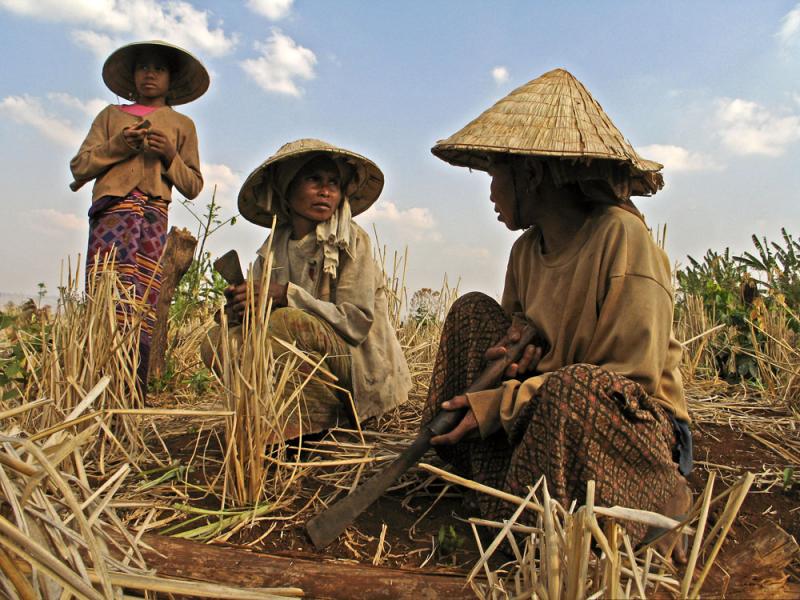
Kuwait has provided US$350,000 to the Lao Ministry of Agriculture and Forestry to study the suitability of extending irrigation so rice can be grown for export to Kuwait.

Local NGOs investigate the acquisition of land by Swiss company ADDAX in Sierra Leone.

"Personally, I believe that in five years or in ten years time I would like to be seen and compared with peers such as Cargill or the Archer Daniels of the world or the Bunges of the world."

This one-day multidisciplinary workshop will examine the scale of the problem and the environmental degradation, economic, social and health problems facing the Oromo people as the result of the farmland wholesale to foreign investors and will aim to formulate a consensus on how to mitigate its burden on the Oromo people.

World Bank and UN's seven Principles for Responsible Agricultural Investment are "woefully inadequate" says UN Special Rapporteur on the right to food.
SilverStreet is scouting for commercial farms in five countries — Malawi, Mozambique, Tanzania, Uganda and Zambia.
World Bank's MIGA provides political risk insurance for Chayton Capital's $50 million farmland investments in southern Africa.

These planned food estates will deprive Papuans of their traditional resources for hunting and fishing and destroy the very basis of their livelihoods.