Otro término para la enciclopedia indignada: acaparamiento de tierras
- Elalmeria
- 05 November 2011
Esta vez el capital ya está metiendo sus garras en lo más importante de la cadena alimentaria: la tierra





Esta vez el capital ya está metiendo sus garras en lo más importante de la cadena alimentaria: la tierra

"I wonder if greater returns could come for Africa if attention were paid to backing the continent’s millions of smallholders? And yet, as I speak, many are being driven off their land and swelling the ranks of the urban dispossessed."

Loin de la croisette de Cannes et des cérémonies en grandes pompes de la présidence française du G20, les organisateurs du « Forum des peuples » ont choisi de placer les débats au plus près des problèmes du terrain, dans la petite ville de Niono, au Mali.

"Because of the nation's limited agricultural resources, we have to look overseas," Jiang Hua, a COFCO board member said. The company is trying to connect China's consumer market with overseas supplies of commodities such as sugar, wheat and soybeans.

Mensaje de adhesión a la lucha de la Comarca del Paralelo 42 (Río Negro/Chubut, Patagonia Argentina) - Asamblea de Organizaciones y vecin@s Movilizados por la Soberanía Alimentaria Región del Alto Valle -Río Negro

The Brazilian government's decision to block major foreign land purchases from August 2010 has had a very real impact: prices for lots larger than 3,000 hectares have fallen by 10% or more over the past year, depending on the region.

Multinational corporations are buying enormous tracts of land in Africa, putting countries on the path to increased food insecurity, environmental degradation, increased reliance on aid and marginalisation of farming and pastoralist communities.

The West African nation of Liberia is rich is oil, diamonds and timber, but these natural resources have been both a blessing and a challenge for the fledgling democracy.
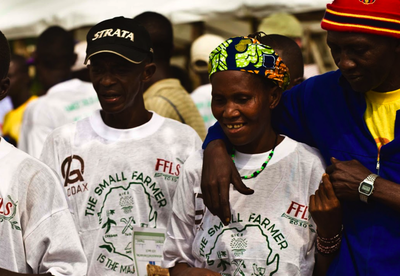
“We decided to go on hunger strike at the ADAX Energy Canteen at Kontobi in Port Loko as fellow Sierra Leone employees were facing segregation,” says Sierra Leone Deputy Minister.

The Finance Ministry and the National Bank of Bahrain have agreed to set up a $265.2m fund that will invest in companies and purchase land in overseas countries for captive production.

Tanzanian peasaants complain that the government has been allocating huge tracts of land to certain investors in the district, while refusing to allocate the same pieces of land to local groups that had applied for them.

Momath Bâ revient pour Walf sur les effets sociaux que le projet pourrait induire.