 Kenyans.co.ke | Tuesday, 11 August 2026
Kenya eyes BADEA funding to boost irrigation including Galana Kulalu
by Diana Imanene
Kenya is seeking financing from the Arab Bank for Economic Development in Africa (BADEA) to expand irrigation and support major agricultural projects, including the long-delayed Galana-Kulalu Food Security Project.
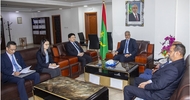
Principal Secretary for Irrigation Ephantus Kimotho, who led the Kenyan delegation, held discussions with BADEA Chairman Dr Fahad Aldossari on strengthening cooperation and mobilising financing for Kenya's irrigation and agricultural development agenda.
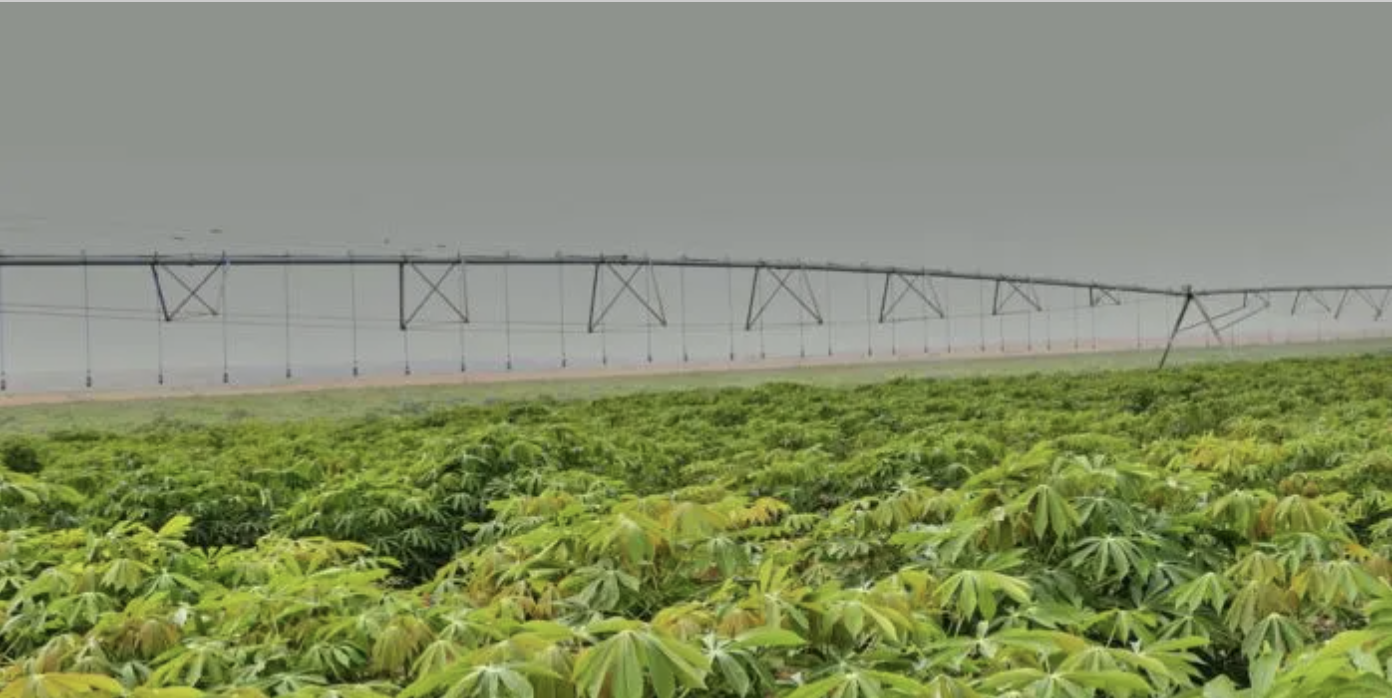
A key focus of the meeting was Galana-Kulalu, which the government wants to transform into a large-scale, commercially operated agricultural zone capable of significantly increasing food production.
The discussions also explored support for major dams and irrigation projects that could unlock approximately one million acres of irrigated land, with some areas potentially supporting up to two and a half cropping cycles annually.
The push comes as Kenya seeks to reduce its heavy dependence on rain-fed agriculture, which leaves food production vulnerable to droughts, floods and unpredictable rainfall. Expanding irrigation would allow farmers to produce more consistently while reducing reliance on food imports.
Kenya has an estimated irrigation potential of about 1.34 million hectares, equivalent to roughly 3.35 million acres, but only a fraction of this potential has been developed, creating a significant financing gap for dams, canals, power and other irrigation infrastructure.
Galana-Kulalu, located across Kilifi and Tana River counties, has been at the centre of Kenya's food-security ambitions for more than a decade. The project was launched in 2014 with an ambitious long-term target of irrigating up to one million acres and producing large quantities of food.
However, the project struggled to meet its early targets, with challenges including inadequate water infrastructure, high pumping costs, delayed construction, and project management problems contributing to its slow progress.
Kenya is now pursuing a public-private model for the project, with the government providing key infrastructure while private investors contribute to commercial production, with more than US$800 million in investment interest reported.
In 2025, the government said Ksh519.4 million had been invested in water infrastructure at Galana-Kulalu, including an inlet canal, reservoir, outlet canal and off-take sump, which were undergoing final testing.
Despite the progress, cultivation remains significantly below the project's long-term ambitions, with reports indicating that about 1,500 acres were under active cultivation in 2025 as authorities planned further expansion.
The latest BADEA engagement could therefore provide an avenue for financing the expensive infrastructure needed to scale up irrigation and move Galana-Kulalu towards large-scale commercial farming.
However, the discussions were focused on exploring financing and investment opportunities, and no BADEA funding commitment has been announced.