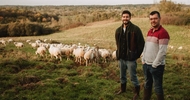
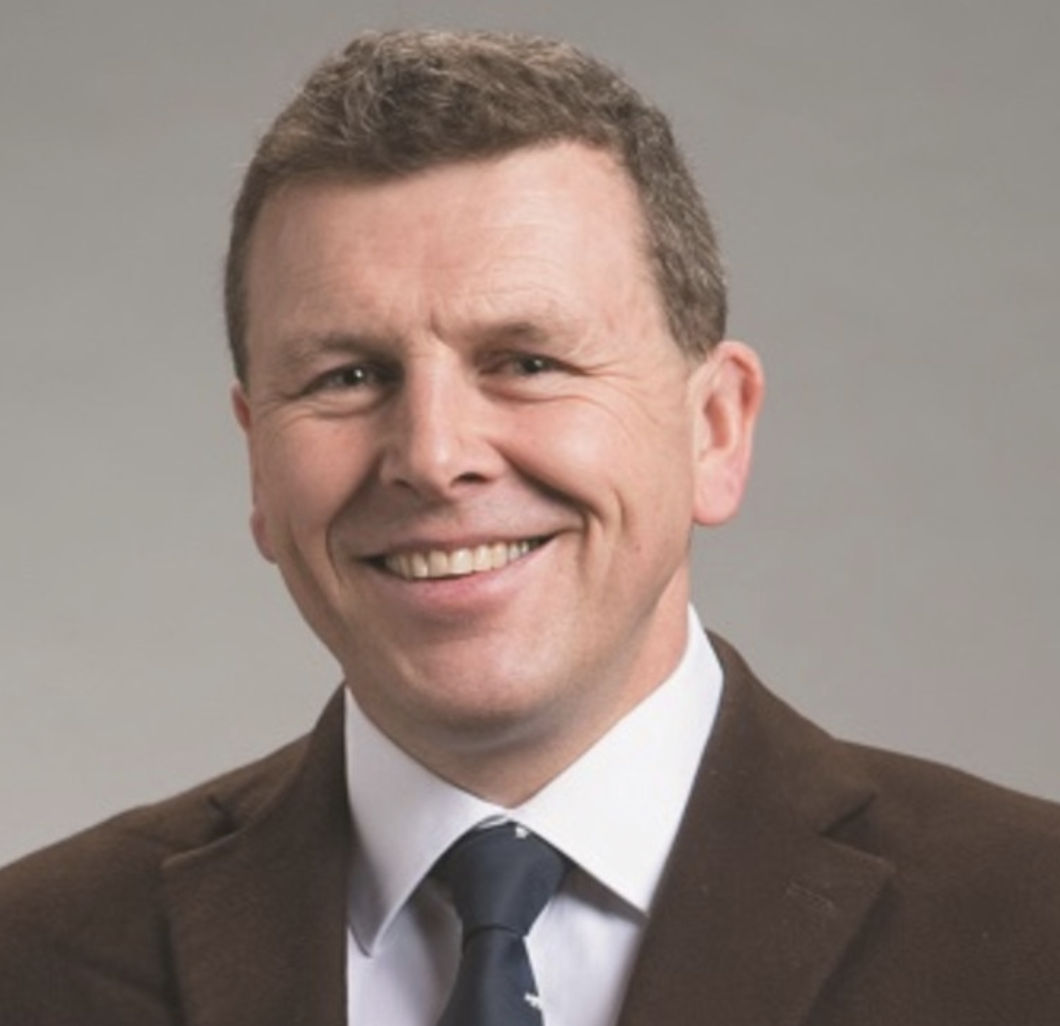
 Nuveen Natural Capital global head Martin Davies.The Weekly Times | 31 August 2026
Nuveen Natural Capital on why Australia tops farmland investment list
by Camille Smith
The world’s biggest farmland investor, Nuveen Natural Capital, has more than US$13.9bn in assets under management, with exposure in Australia, the US, Brazil, Poland, Romania, Chile and Spain.
Nuveen’s investment strategy is built on global diversification, local operating expertise and active management. But increasingly, the investment and asset management firm is focused not only on farm productivity but on an asset’s capability of generating both agricultural returns and environmental value streams.
Global head Martin Davies spoke to The Weekly Times about how farmland investment is evolving, the global markets where Nuveen is looking to deploy capital next, and the biggest risks that are influencing decisions.
Q. What has driven Nuveen’s farmland investment decisions to date?
A. Nuveen focuses on markets where it can combine comparative advantage in production with local operating capability, diversification benefits and opportunities for long-term value creation.
Poland and Romania are attractive due to their productivity potential, EU integration, land consolidation opportunities and historically lower land values than Western Europe.
Brazil offers scale, productivity and export competitiveness, while Chile and Iberia provide exposure to high-value permanent crops and counter-seasonal production in Chile.
Australia is appealing for its institutional-quality land market, strong export orientation and diversification benefits. A common theme across all regions is Nuveen’s ability to establish local teams and execute active management strategies.
Q. How does Australia compare globally in terms of farmland investment attractiveness?
A. Australia remains one of the most attractive global farmland markets due to strong property rights, transparent markets, large-scale, sophisticated farming systems and farmer tenants, diversified crop mix and proximity to growing Asian food demand.
It is a core geography for Nuveen, representing approximately 861,000 acres (348,400ha) of farmland assets under management and one of the firm’s longest-established international platforms, dating back to 2007.
Q. What are Nuveen’s priorities for current investments and future investment opportunities?
A. For existing assets, priorities are to enhance productivity, improve sustainability outcomes, strengthen resilience and capture value from emerging environmental markets. This includes expanding regenerative agriculture programs through our nature positive farming program, tenant engagement and biodiversity initiatives.
More broadly, Nuveen’s strategy is increasingly focused on generating multiple sources of value from farmland, combining agricultural returns with opportunities linked to carbon, biodiversity credits from mitigation banking and ecosystem services.
Future investment focus will remain in regions where Nuveen has established operating capabilities and where natural capital opportunities can complement traditional farmland returns.
New investment locations will be driven by the ability to generate suitable risk adjusted returns and the country risk appetite of investors.
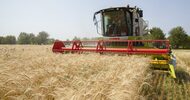
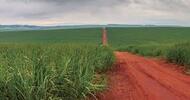
Cotton on Nuveen Natural Capital’s Twynam Cobran Station, near Carrathool.
Cotton on Nuveen Natural Capital’s Twynam Cobran Station, near Carrathool.
Q. Are there geographies where risks are increasing?
A. Yes. While farmland fundamentals remain attractive, risks have become more differentiated. Geopolitical conflict, trade disruptions, fertiliser and input costs, water availability, currency volatility and changing regulatory environments are all influencing investment decisions.
The emphasis is increasingly on diversification across geographies, crops and operating systems to manage these risks.
Q. Where is buyer competition strongest and who is competing?
A. Competition is strongest for large-scale, high-quality, institutionally investable farmland with secure water resources and a proven operating track record.
Most farmland transactions globally are still completed between private owners, often family-owned businesses.
However, the buyer universe is broadening and now includes pension funds, sovereign wealth funds, insurance companies, family offices, specialist farmland managers and strategic agricultural operators.
Competition is also increasing from corporates seeking exposure to natural capital and environmental market opportunities alongside traditional agricultural returns.